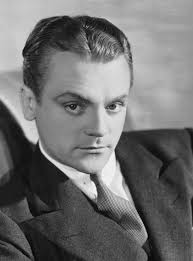
James Cagney
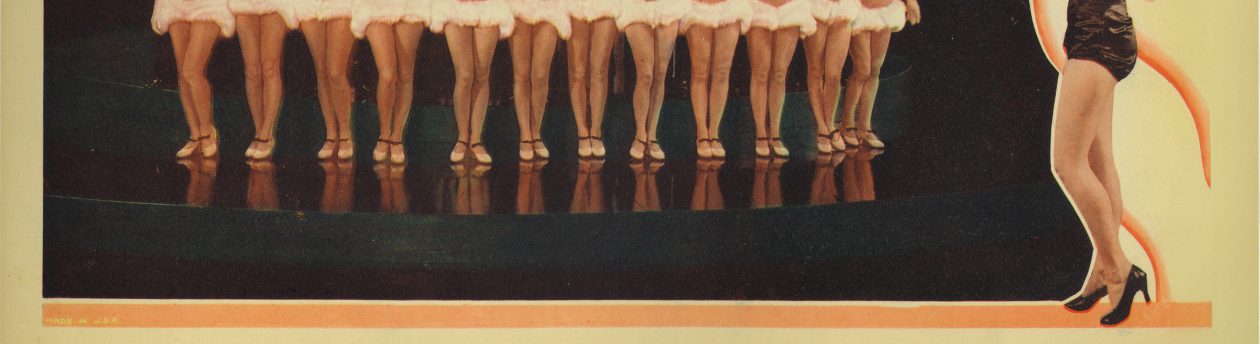
Not always thought of as a dancer today, James was born to parents James Francis Cagney and Carolyn Nelson of the Lower East Side on July 17, 1899. On his mother’s side, he was Norwegian/Irish and his father was 100% Irish. However, having grown up in the ghetto of the Lower East Side he was also 100% fluent in Yiddish. His first role was of a female dancer in a chorus line and he excelled in light comedy, though his famous gangster and dramatic parts stamped him as a great emotional actor. Most people do not think of “Cagney” as a theatrical family, but it was, with a brother an actor-producer William Cagney , turned manager, and also a sister, actress Jeanne Cagney.
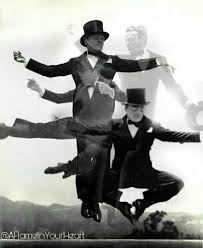
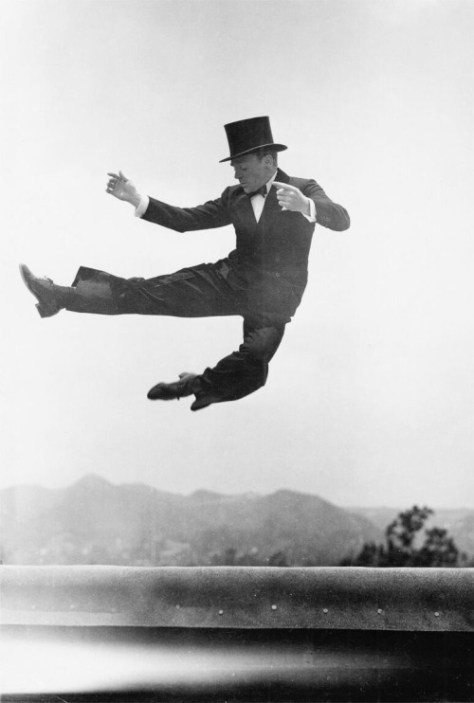
Identifiable in all of his films for his New York style, thick accent, and compelling intensity, he was also fast and fiery, and of a nimble and athletic frame, and one heck of a dancer! One can imagine the stifling hot streets of Manhattan’s immigrant haven and the gumption that must have been a natural gift of the preeminent “gangster” film star of Hollywood’s Golden Age. His was the kind of talent in dancing that made it look ‘natural.’
James Cagney was one of Hollywood’s greatest stars of all time. No other actor/performer has succeeded in making a conversion to serious dramatic acting from hoofing. Jimmy was a hard worker, self-disciplined, and held unimpeachable personal ethics; one was his strong political convictions and loyalty, the other regarding his filial devotion to his wife, whom he never cheated on in their 64 years of marriage. Among his other professions while rising up were bartending and boxing.
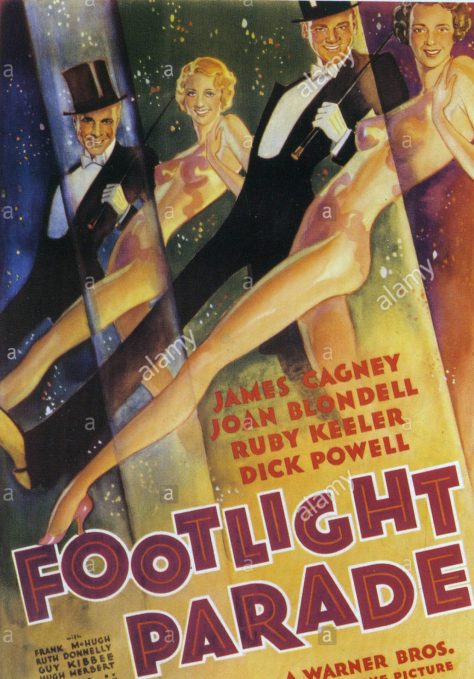
Cagney made famous roles in Billy Wilder‘s One, Two, Three (1961) and Busby Berkeley’s “Footlight Parade” (1933), but the most famous role in ‘song and dance’ is perhaps “Yankee Doodle Dandee” (1942), in which he played George M. Cohan. He broke a rib in the dancing sequences but continued dancing until filming was finished in traditional professional dancer style. Many great actors of today reference James Cagney as their influencer, namely Clint Eastowood and Charles Durning.
Visit James Cagney films and history for a full breakdown of his great work, and see (at bottom of page) below the photos, a video segment of his dancing later in life alongside funnyman Bob Hope. You can see also see him reunited with costar and very good friend, Pat O’Brien, in E.L. Doctorow’s “Ragtime” (1981). He died of complications of diabetes at his farm in upstate New York in 1986. He was survived by two adopted children and many grandchildren and great-grandchildren, not surprisingly in the entertainment business.
On the Residence
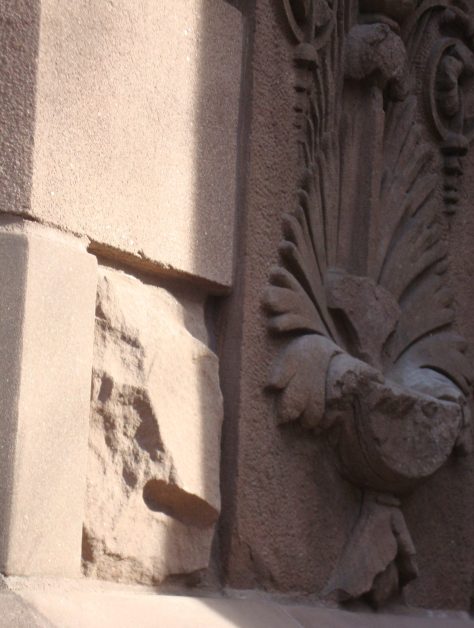
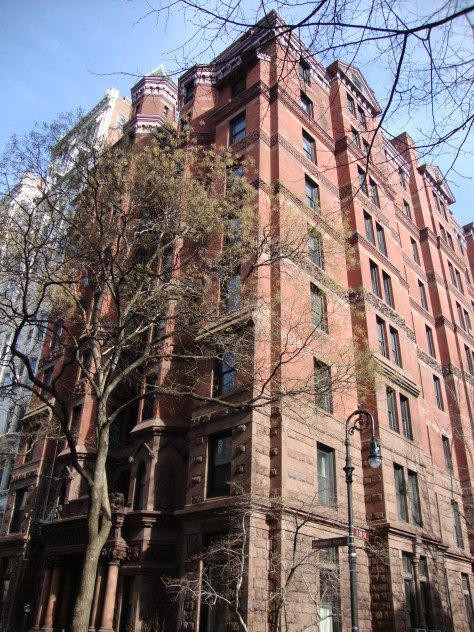
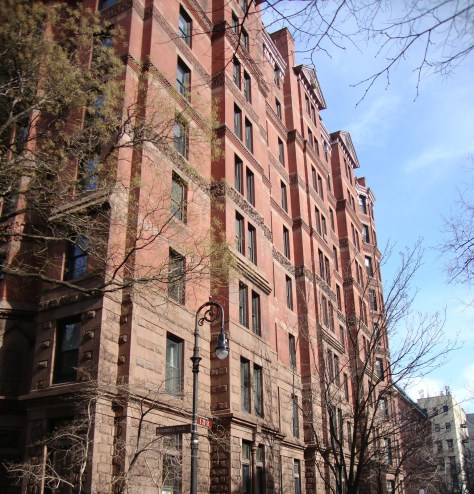
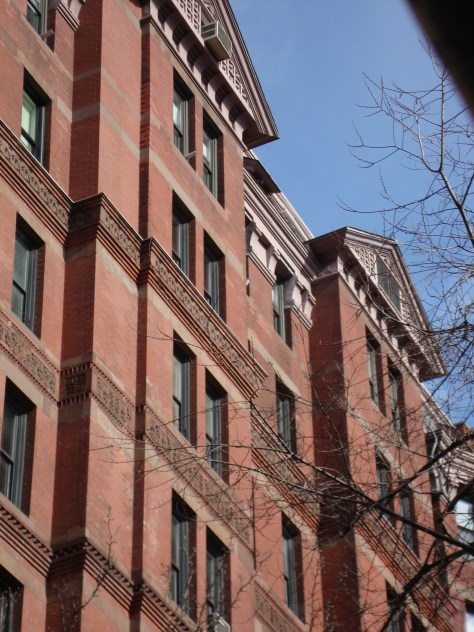
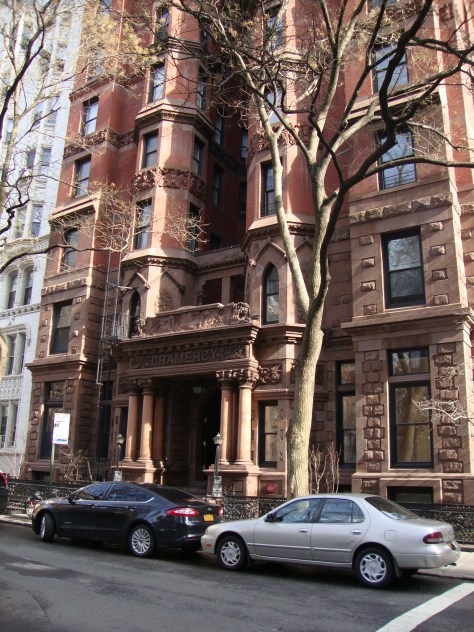
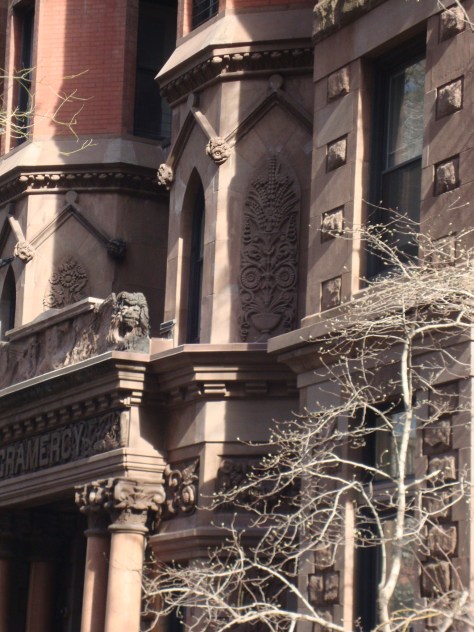
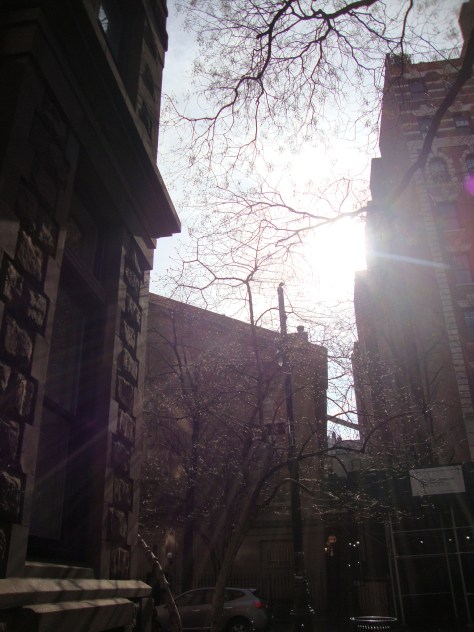
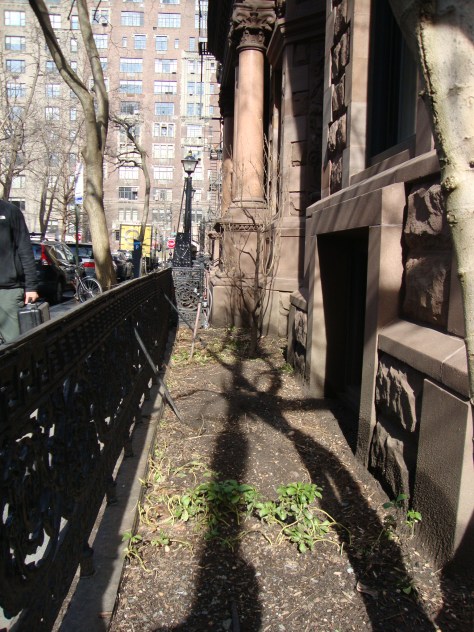
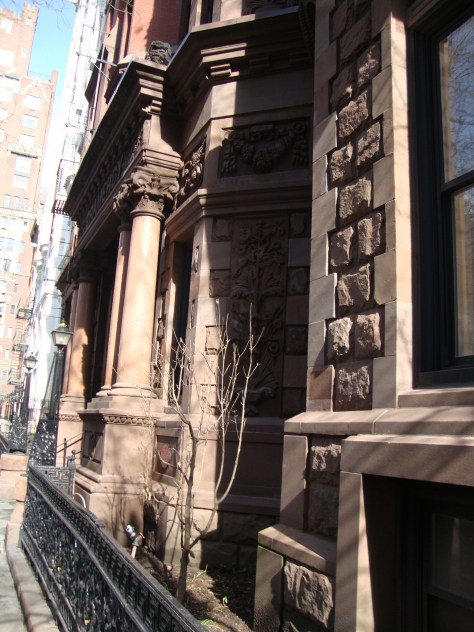
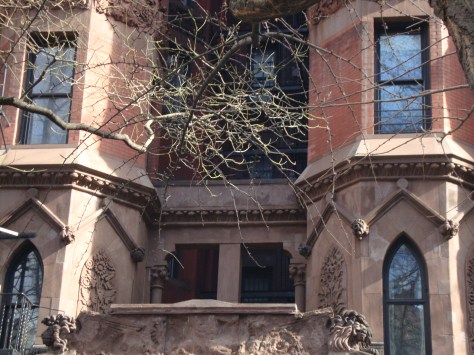
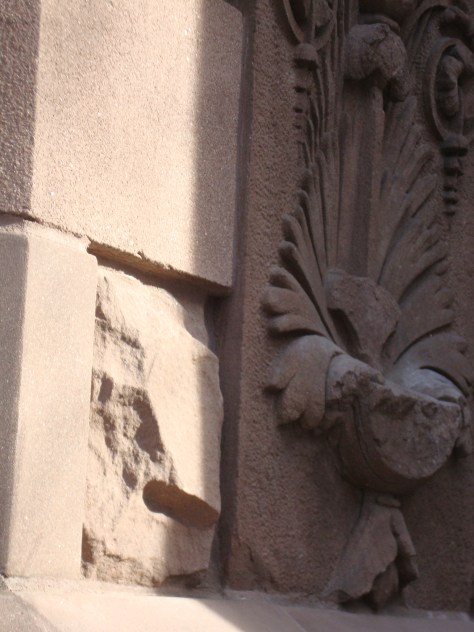
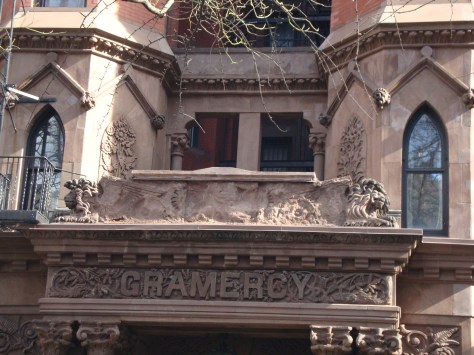
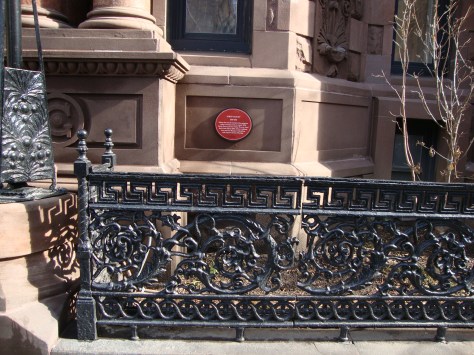
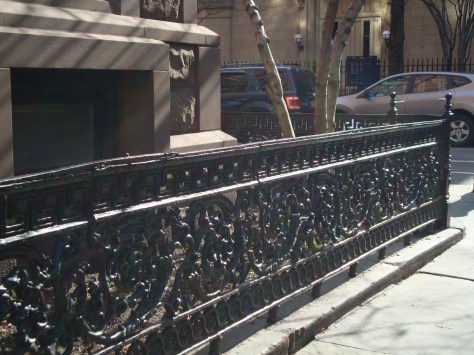
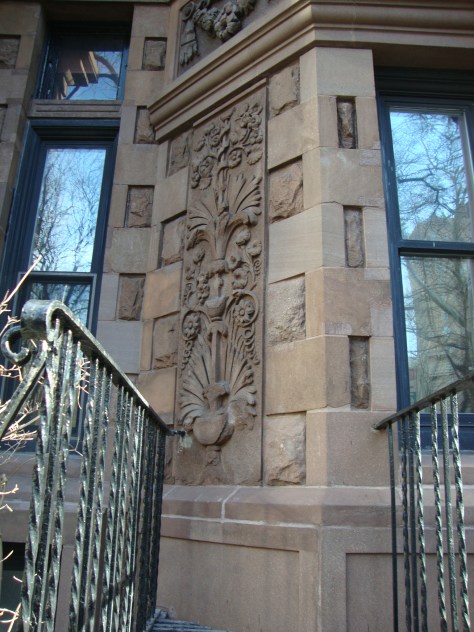
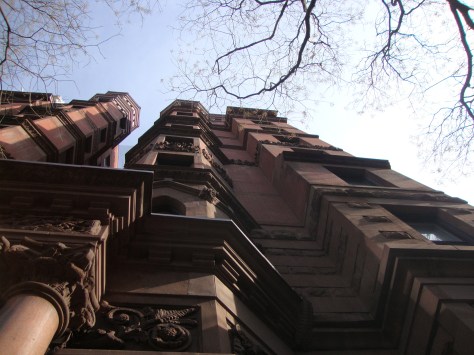
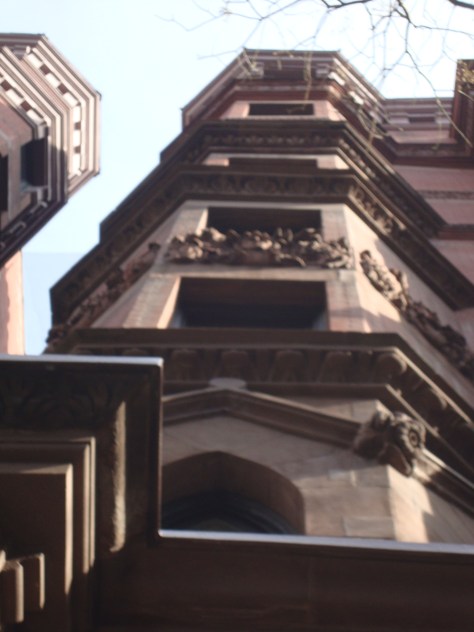
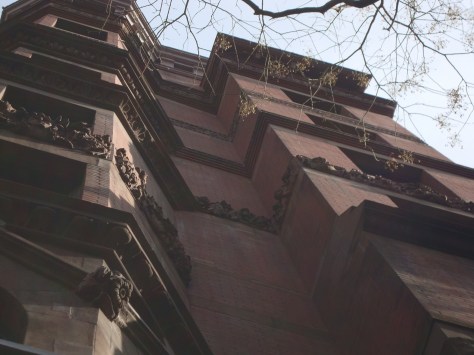
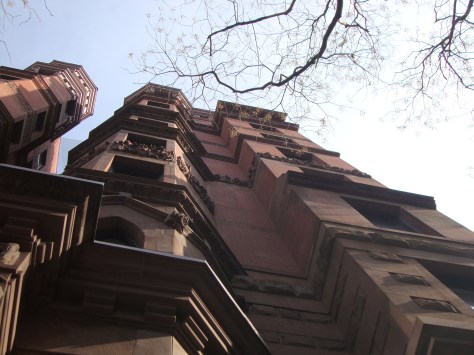
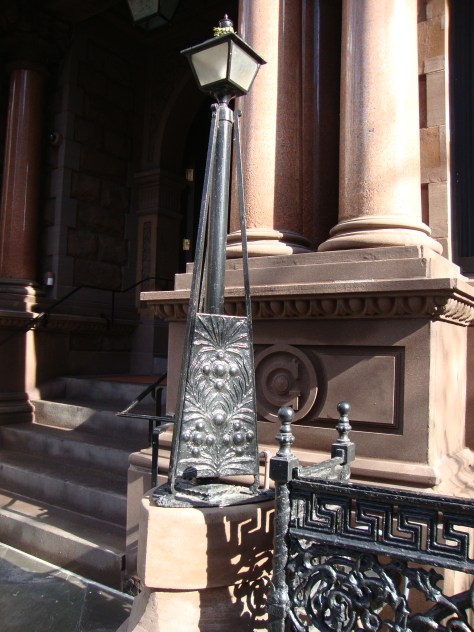
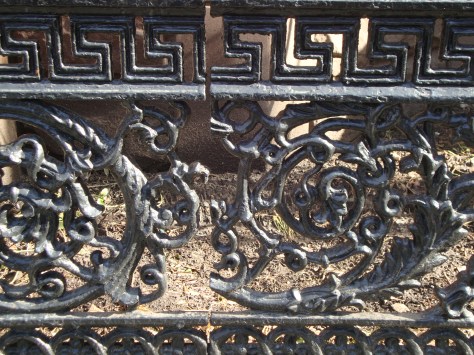
This home is time-honored to have been the residence of many New Yorkers. Its somewhat gloomy and seemingly ancient facade is characterized by details like crenellation, Tudor curlicues, and many sculpted relief details. Most notably its lions, beautiful fences, and upwards reaching towers recall Venetian details of the Renaissance and particularly the Victorian period of architecture in New York. It reminds one of Oz or Narnia and is very artistic in the use handmade accents.
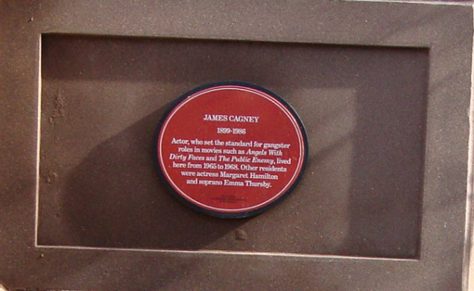
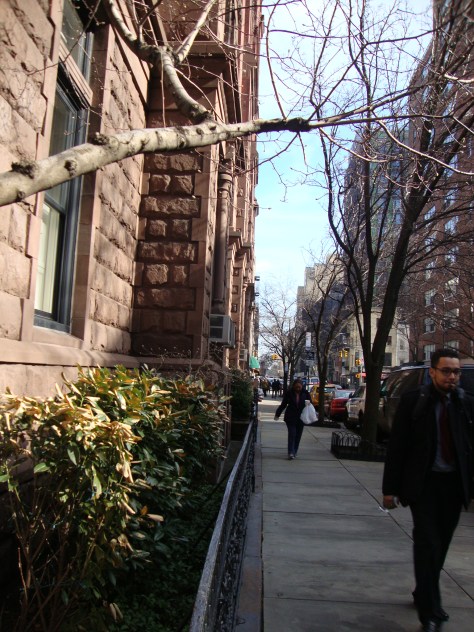
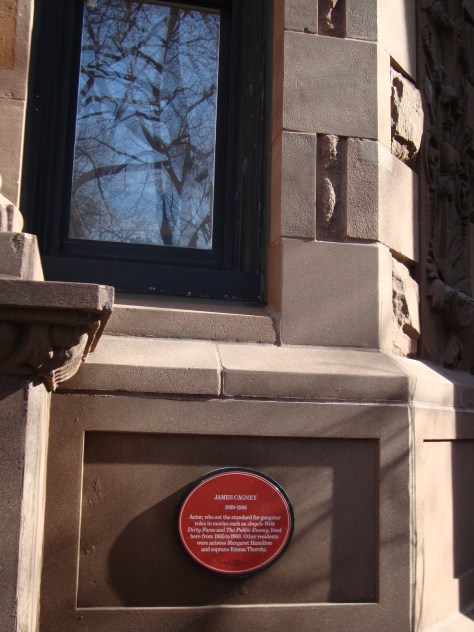
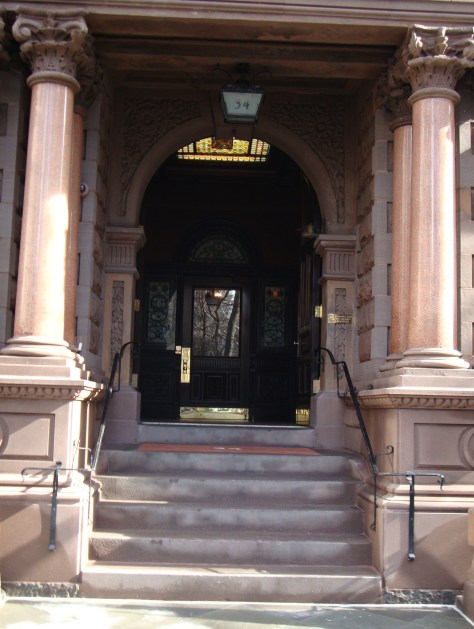
This beautiful residence was constructed in 1883 and is a part of our research because noted performer, actor, and dancer, James Cagney, resided here between 1965 and 1968. He is honored with a red plaque on the building. Another star, Margaret Hamilton also lived there (noted for her role as the Wicked Witch of the West in The Wizard of Oz.) See how a domicile reflects/takes on the character of its residents, too?
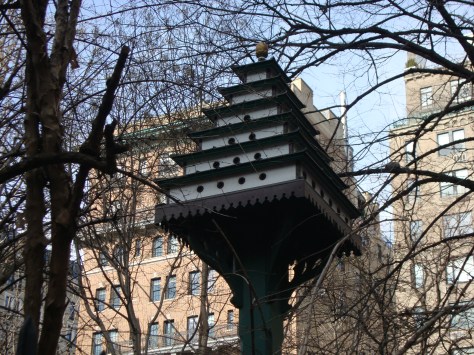
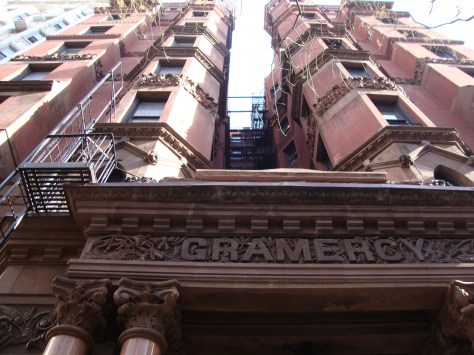
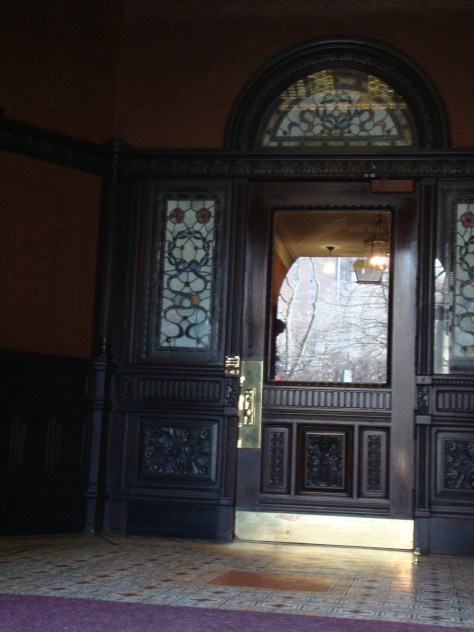
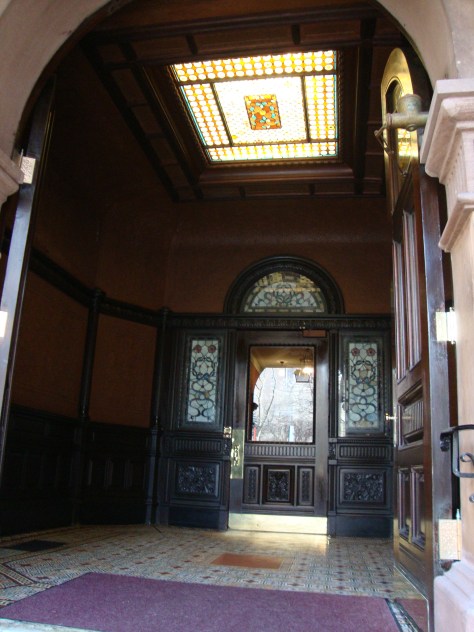
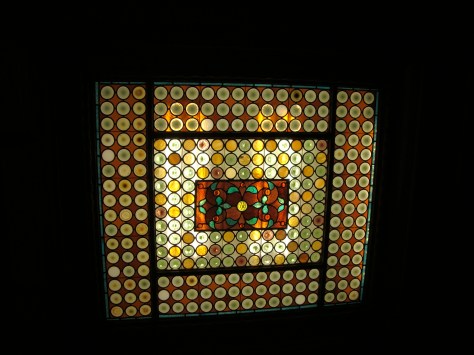
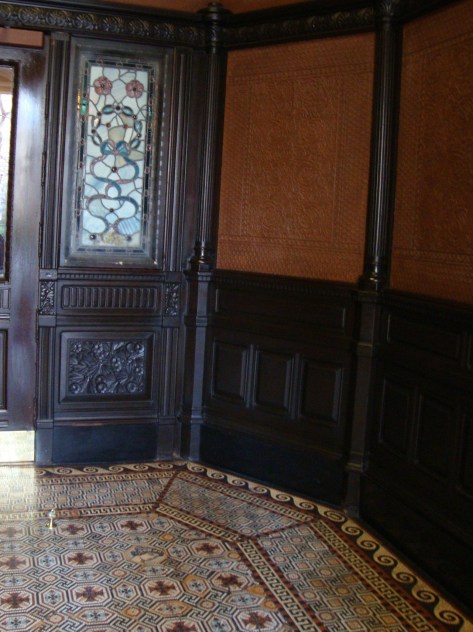
This was the first co-op of the city and was designed by George W. DaCunha, an architect from New Jersey, in the Queen-Anne style to be an in-town residence with Fifth Avenue flair. As such, it was designed to lure wealthy non-apartment dwellers to the city including glamorous details such as elaborate moldings, wood-carved interiors and stairwells, stained glass, mosaic tile work, and alternating brownstone and terracotta bricks. It’s price tag then? $10,000 and up, suggestive of courting great wealth and affluence. The park, made tax-exempt in 1915, was an asset giving building owners their own private park, with individual keys-there are only 103, and the apartments were large, only three apartments to a floor.
Today the lobby is still fitted out with uninformed concierges, stating that owners would prefer photos not be taken. I was lucky! In 1994, its’ Otis hydraulic elevator (the only other one I knew of was in the Flatiron Building when I worked there), was replaced. in 1994. The view of the park and surrounding 60 plots is lovely and locks to the park are changed every year.
Today The Gramercy remains a co-op apartment, having boasted over the years such residents as Margaret Hamilton (the Wicked Witch of the West) and James Cagney. As they did in 1881 the owners receive a key to the Park — the last private park in Manhattan. The keys are numbered and kept track of and the locks are changed every October 1st.
 Those Dancing Feet