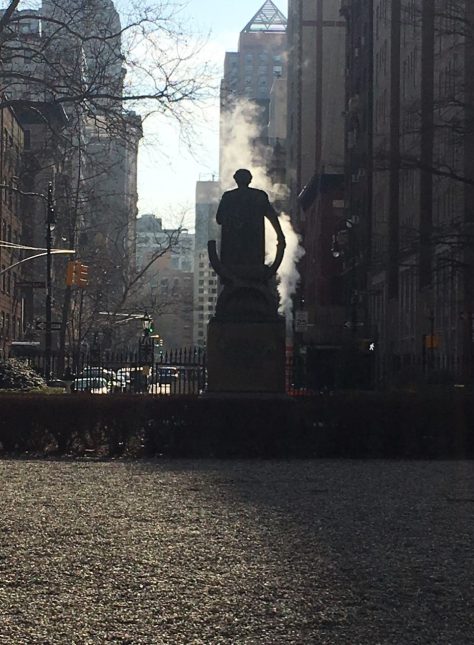


For me, New York begins here, in Grammercy Park. That moment is sometimes indelibly imprinted on the mind of the “New” Yorker.
The first moment or day is monumental. Mine began with walking.
When foot meets pavement, you are beginning something new, and you can sense it through the pavement.
Real estate in New York also does this, but the buildings in New York have distinctive characters and personalities to New Yorkers-they are iconic.
But, if New York had not been affordable for immigrants and imported artists, it would not have attained the stature that it did, and it will not do so again, if there is no place or room for artists here. It is a struggle.
The easy life in New York, almost doesn’t exist, it’s a contradiction in terms.
If it seems like there are fewer people in New York, that’s because there are; if it seems like is less going on in New York, that’s because there is.
This site isn’t about dead art, it’s about revival and rehabilitating spaces to encourage art.
In a way, it’s a message that art needs somewhere to reside to be.
Any past artist would probably not want to be a part of that collection today and he would look elsewhere. Art was and is continuing, but often outside the city, and this was a trend, but now seems permanent. It doesn’t have the same energy or interest.
To artists and entrepreneurs there was a sense of belonging to a community, of growth and possibility, especially for those on the outskirts of the conventional-it is important to see other art, and to experience it, and New York, when I came in 1981, was still a thriving artists community. It was amazing. It was inspiring.
No matter your creative leanings, Grammercy park is one of the most iconic neighborhoods in Manhattan.
Affluent people live there now, and in most cases we assume they did then-but that was not always the case and at the close of the 18th century, 14th street was a thriving theater district, with many more shops and businesses which supported and catered to a bustling economy which included shows, musicals, homes of managers, producers, theaters, directors, musicians, writers, photographers, actors, dancers, and many other types of people who all contributed to the glorious art and entertainment capital of the U.S., New York.
Now we associate 42d Street with theater and Broadway, but Broadway is a long road-the longest continuous road or street in New York State. It travels all the all the way upstate, but it begins in lower Manhattan.
In the 1800s however, the city was much smaller. Much of the land was undeveloped, and bare uptown. There were more open spaces, and estates. Downtown, the artists, merchants, business people, and immigrants came together to form a dynamic which has not been seen elsewhere and from which were created truly American art forms, style, movements, and great theater.
Artists lived and worked in Manhattan to live, created spectacles, and entertainment the like of which the world has been enjoying for decades, over a century. But it is time to make new art, art for another century.
These artists and people co-existed, knew each other, worked and lived their daily lives together-they mattered to each other and this emphasis can be seen in their work and their collaborations. They were influenced each other. This is not really possible to the extent it was.
The city hosted them and made this possible. Philanthropists and critics alike offered good and bad publicity for their ideas, but continually the market moved, was energized and grew.
There were tours and shows in the city, parties late night, incoming travelers, and departures-always something happening. The results were astounding.
This energy was truly palpable when I came to the city. It moved, Dance was all about you, and there was a dance even in your daily tasks, back and forth, in and out, up and down, pathways.
The world opened up before you and you danced-classes were affordable, teachers abounded, new shoes and choreography could be seen regularly-there were many daily events.
Now much of this is historical, but it is possible to predict patterns and if art is more affordable made elsewhere then artists hue to that locale, and it is New York’s loss.
But let’s try to formulate that legacy, and see what connections we can draw from it and maybe to it. If one door closes, maybe a reminder is all that is needed to bring that kind of energy back, and this starts with people!
So try to go on this walking tour, see if you get any brilliant ideas from these sites, and try to take pictures, get inside, other artists heads-there may still be an aura, an inspiration, or a ghost.
Like all New Yorkers, and it takes a relatively short time to acclimate to being “one” I knew not what my life would be, but New York, in its infinite variety was partly responsible, maybe wholly, for in New York anything can happen.
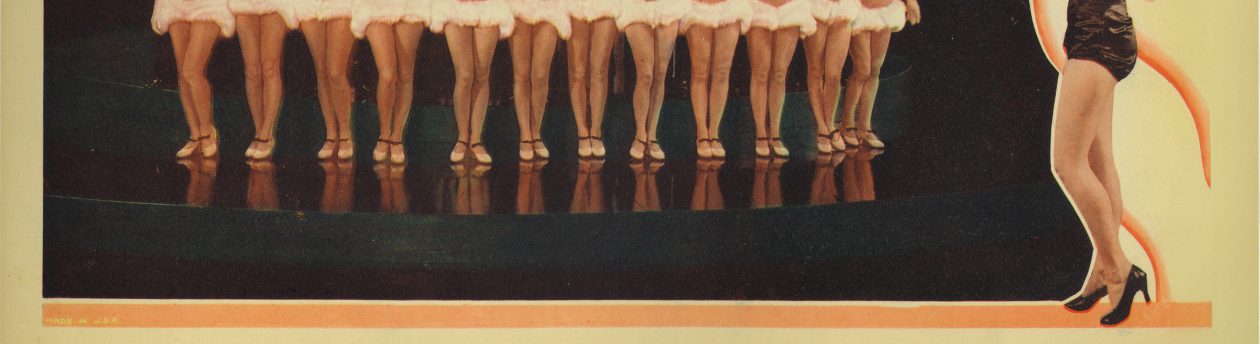
 Those Dancing Feet